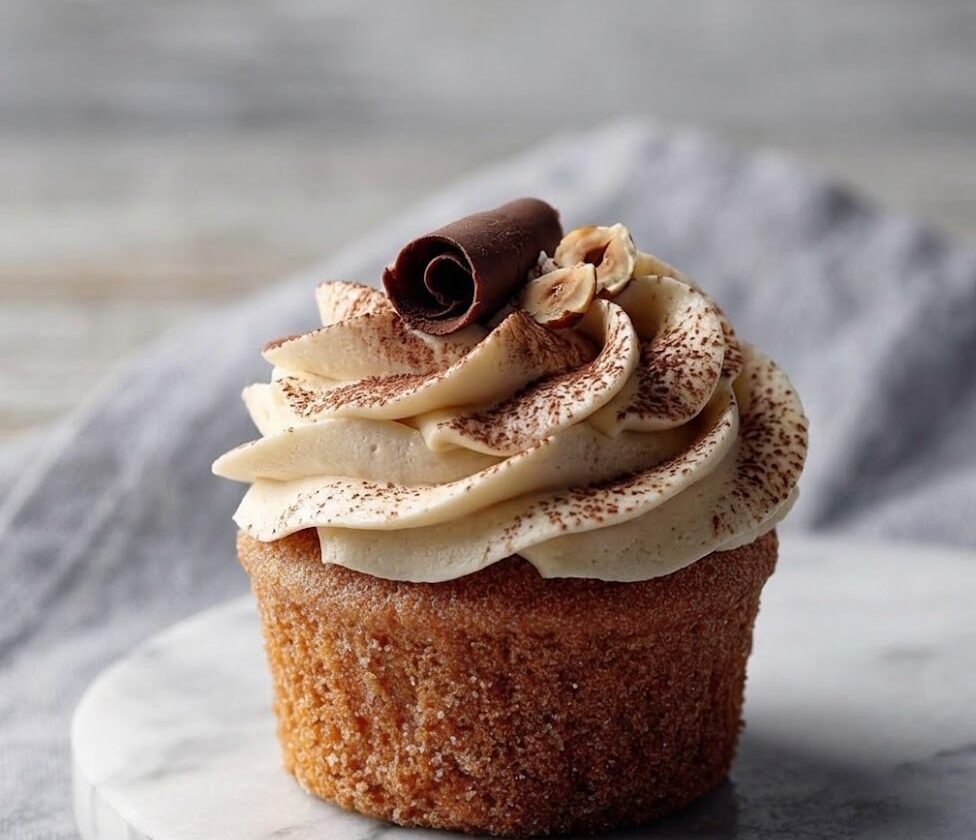
If you love a classic, reliable frosting that tastes like proper homemade cake, this Mary Berry-style buttercream is the one to keep in your back pocket. It is smooth, light, and creamy with a clean vanilla flavour that is sweet without being cloying. This is an easy recipe that comes together quickly with a bowl and an electric mixer. Total time is about 10 minutes, plus any cake cooling time if you are frosting a bake.
Ingredients
For the buttercream frosting
- 200g unsalted butter, softened (very soft but not melted)
- 400g icing sugar, sifted
- 2 teaspoons vanilla extract (or vanilla bean paste)
- 2 to 3 tablespoons whole milk (add gradually)
- Pinch of fine salt (optional, but recommended to balance sweetness)
Optional flavour variations
- Lemon: Replace vanilla with 1 to 2 teaspoons finely grated lemon zest and 1 tablespoon lemon juice (add juice slowly)
- Chocolate: Replace 50g of the icing sugar with 50g sifted cocoa powder, then add an extra splash of milk if needed
- Coffee: Dissolve 2 teaspoons instant coffee in 1 tablespoon hot water, cool, then beat in (reduce milk slightly)
How to Make Mary Berry Buttercream Frosting Recipe
- Prepare the oven (only if you are baking a cake to frost): Preheat the oven to 180°C (160°C fan). Grease and line your tins as your cake recipe directs, then bake and allow plenty of cooling time before you even think about frosting.
- Soften the butter: Put the butter in a large mixing bowl and leave it at room temperature until it is very soft. If it still feels firm, you will struggle to get a silky buttercream.
- Mix the base: Beat the butter with an electric mixer for 2 to 3 minutes until paler in colour and creamy. This step builds a lighter texture.
- Add the icing sugar gradually: Sift the icing sugar, then add it to the butter in 3 to 4 additions. Beat on low speed at first so it does not puff everywhere, then increase to medium once it is incorporated.
- Flavour and balance: Beat in the vanilla and a pinch of salt. The salt does not make it salty, it simply stops the sweetness from tasting flat.
- Adjust the texture: Add milk 1 tablespoon at a time, beating well after each addition, until the buttercream is smooth and spreadable. For piping, keep it slightly firmer so it holds its shape.
- Whip for fluffiness: Beat on medium-high for 1 to 2 minutes to make it extra light. Scrape down the bowl once halfway through so everything mixes evenly.
- Cool your bake completely: If you are frosting cupcakes or a sponge, make sure they are fully cooled. Warm cake will melt the buttercream and it will slide right off.
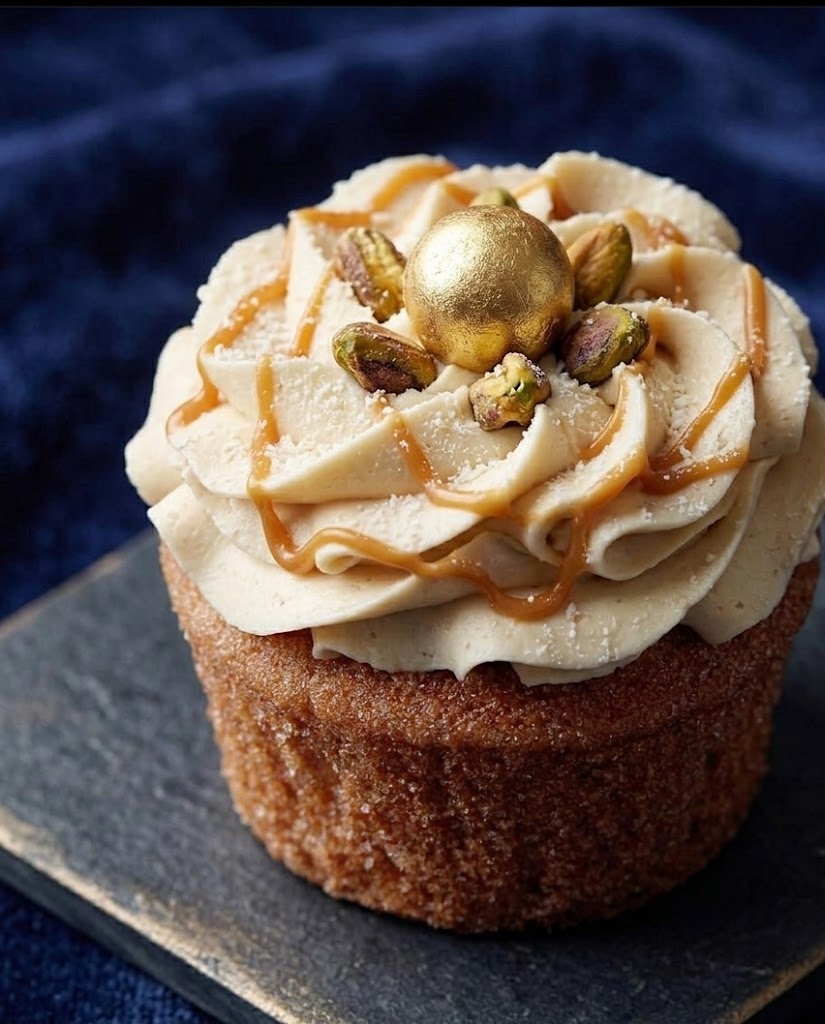
- Assemble and frost: Spread with a palette knife for a simple finish, or spoon into a piping bag fitted with a star nozzle and swirl onto cupcakes. If you are filling a sandwich cake, spread a generous layer on one sponge, add jam if you like, then top with the second sponge.
Tips
Why is my buttercream grainy?
Grainy buttercream is usually icing sugar that has not fully dissolved, or butter that was a touch too cool. Sift the icing sugar, beat the butter well first, and give the finished buttercream an extra minute of beating. If it still feels gritty, add 1 teaspoon milk and beat again.
How do I fix runny buttercream frosting?
Runny buttercream normally happens when the butter is too warm or you have added a bit too much milk. Pop the bowl in the fridge for 10 to 15 minutes, then beat again. If it still needs tightening, sift in a little extra icing sugar, 1 to 2 tablespoons at a time.
How do I fix buttercream that is too stiff to spread or pipe?
Add milk very slowly, starting with 1 teaspoon, then beat well and reassess. A tiny splash goes a long way, especially once the buttercream is already smooth.
How can I make my buttercream whiter?
Beat the butter on its own until it becomes noticeably paler before you add the sugar. Using a clear vanilla extract or vanilla bean paste also helps, since some extracts tint buttercream slightly cream.
How do I make this buttercream good for piping?
Keep the consistency slightly firmer, and avoid adding too much milk. If your kitchen is warm, chill the filled piping bag for 10 minutes, then pipe. You will get cleaner swirls and sharper ridges.
Serving Suggestions
- Pipe onto vanilla cupcakes, chocolate cupcakes, or lemon cupcakes
- Spread over a classic Victoria sponge with strawberry or raspberry jam
- Use as a filling for sandwich cookies or whoopie pies
- Swirl over traybakes and finish with sprinkles or toasted nuts
Storage
Room temperature
Buttercream can sit at cool room temperature for up to 2 days. Keep it in an airtight container away from direct sunlight and heat sources. If it crusts slightly on top, a quick beat will bring it back.
Refrigerator
Store in an airtight container in the fridge for up to 1 week. Before using, bring it back to room temperature (this can take 1 to 2 hours), then beat for 30 to 60 seconds to restore the fluffy texture.
Freezing
Freeze in a well-sealed container for up to 2 months. Thaw overnight in the fridge, then bring to room temperature and beat until smooth. If it looks split at first, keep beating, it will usually come back together.
Nutrition
- Calories: 170 kcal
- Carbohydrates: 22g
- Protein: 0g
- Fat: 9g
- Saturated Fat: 6g
- Sodium: 20mg
Nutrition values are estimates and will vary depending on portion size and specific ingredients used.
FAQs
How much buttercream do I need to frost a cake?
This recipe is enough to generously frost 12 cupcakes or to fill and top one 20cm (8-inch) sandwich cake. For a full cover (sides and top) on a tall 20cm cake, make 1.5 to 2 batches depending on how thick you like the frosting.
Can I make Mary Berry buttercream without a mixer?
Yes. Use very soft butter and a sturdy wooden spoon or spatula, then beat vigorously. It takes longer and needs a bit of elbow grease, but it will still work. Sifting the icing sugar becomes even more important for a smooth result.
Why did my buttercream split and how do I fix it?
Splitting usually happens when the buttercream is too cold (it looks curdled) or too warm (it looks loose and greasy). If it is cold, let it sit 10 to 15 minutes and beat again. If it is warm, chill briefly, then beat until smooth.
Can I colour this buttercream frosting?
Yes. Gel food colouring works best because it gives strong colour without thinning the buttercream. Add a small amount at a time and mix thoroughly. If you need a very deep colour, let it sit for 20 to 30 minutes as the colour develops.
Can I use salted butter instead of unsalted?
You can, but skip the added pinch of salt and taste before adding any more. Salted butter varies by brand, so it is easier to control seasoning with unsalted.
Is this buttercream suitable under fondant?
Yes, this is a good basic buttercream under fondant. Keep it slightly firmer, crumb coat first, then chill the cake until the buttercream is set before applying fondant for a neat finish.
Mary Berry Buttercream Frosting Recipe
Course: DessertCuisine: BritishDifficulty: Easy12
cupcakes10
minutes10
minutes170
kcalSmooth, fluffy Mary Berry-style vanilla buttercream made with butter, icing sugar, and a splash of milk. Perfect for cupcakes, sandwich cakes, and simple traybakes.
Ingredients
200g unsalted butter, softened (very soft but not melted)
400g icing sugar, sifted
2 tsp vanilla extract (or vanilla bean paste)
2–3 tbsp whole milk (add gradually)
Pinch of fine salt (optional, but recommended)
Directions
- Beat the softened butter for 2–3 minutes until pale and creamy.
- Sift the icing sugar, then add it to the butter in 3–4 additions, beating on low at first.
- Add the vanilla and a pinch of salt, then beat again until combined.
- Add the milk 1 tablespoon at a time until the buttercream is smooth, fluffy, and easy to spread or pipe.
- Beat on medium-high for 1–2 minutes for a lighter texture, then use straight away to frost cooled cakes.
Notes
- Sifting the icing sugar gives a smoother, less gritty buttercream.
- Use butter that is soft enough to press easily, but not shiny or melted.
- For piping, keep the buttercream slightly firmer and chill it for 10 minutes if your kitchen is warm.